


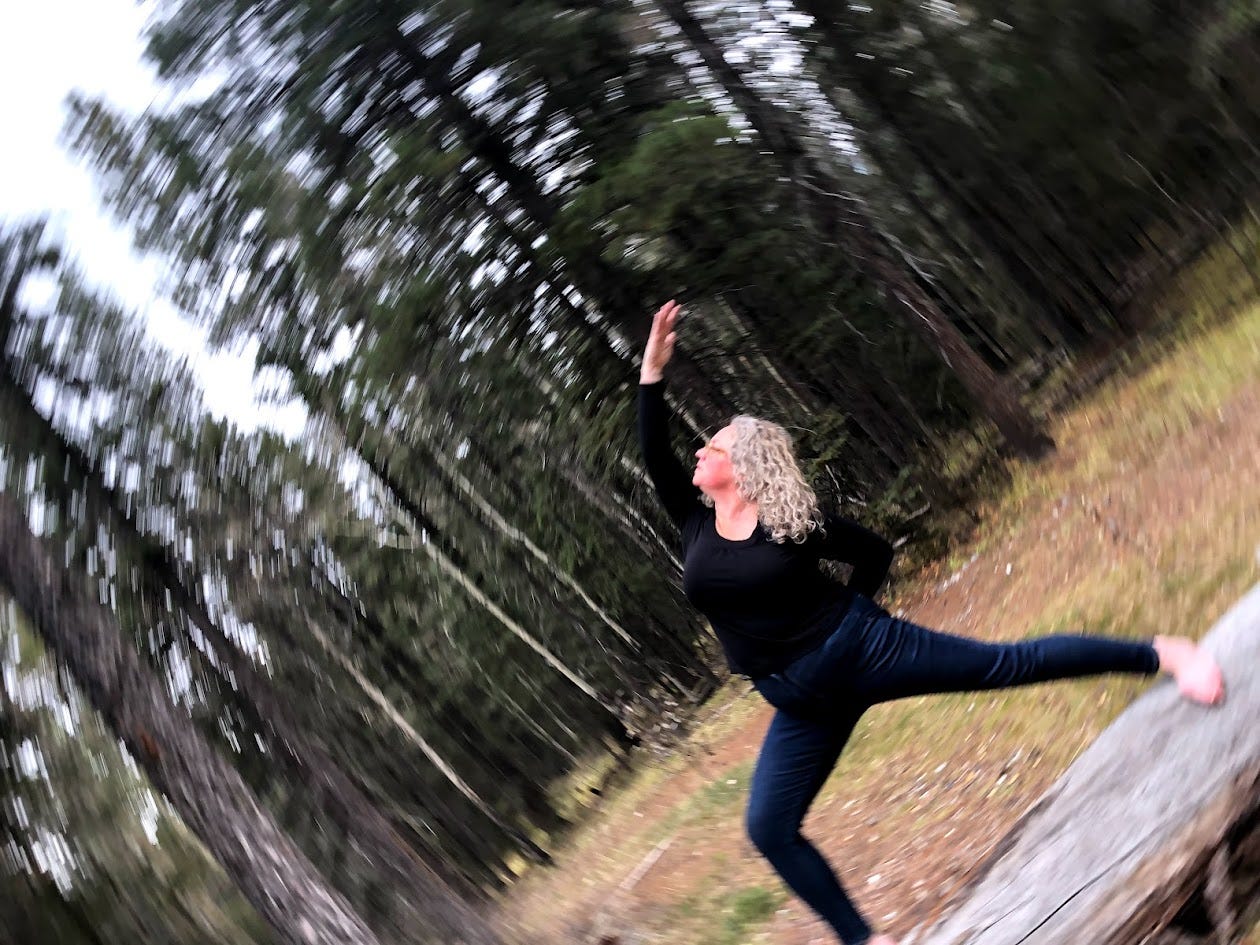
I have wanted a consistent yoga practice for decades. There have been times in the past when I managed 5 classes out of an 8-week class, a couple months of Saturday morning practice followed by brunch.
But an actual practice at a consistent studio, or even just my living room, had eluded me for decades. At one point even three months volunteering in exchange for free classes at a studio only got me to maybe 5 classes.
Then in 2019, I just … quit. I did maybe 7 classes in 5 years, all the while bemoaning getting stiffer and looking at people wondering why it was so easy for them to have a consistent practice.
I thought there must be a secret, some sort of magic formula that they had access to that got them into those classes consistently. I had all the questions: What was it? When did they get it? Where could I buy it? How did it feel?
Like this was a gift bestowed unto them that my fairy godmother somehow forgot in my pre-employment package. Over and over again, late at night, it was “Why can’t it be me instead?” or sometimes “I can’t do anything right, I’m a failure.”
And then one night I got up, went to class and from the moment I dropped my mat it’s been different. Here are 5 things I had to learn to get here that helped set me free.
1. Sometimes what you need to do is different than you think
On the surface, it looked like all I needed to do was show up to class on time 2 or 3 times a week. But in fact, I actually needed to be able to handle my body feeling good.
Our bodies hold memories. Childhood sexual abuse can make feeling good in your body emotionally dysregulating. I felt like I was contaminated so who was I to feel good?
Even more, starting to feel anything meant I had to start feeling everything, including the uncomfortable and gross feelings. For me to develop a consistent practice, I needed to learn to be able to feel all the feelings, good and bad.
Until I was able to accept feeling good in my body and my mind, regular anything was hard because positive feelings were not things I associated with my own self. I thought they could only be generated by someone else giving me praise.
Every single yoga class, every attempt at a consistent practice and then failing, was helping me slowly accept that feeling good physically was okay for me. In fact, it was something I enjoyed. Eventually, I became able to feel that feeling for longer periods without getting overwhelmed.
Bottom line: Only you can figure out what you need, and when you do it will set you free.
2. “Those who matter don’t mind, those who mind don’t matter”
Direct from Dr Seuss
Oh god this was hard to learn! A consistent yoga practice looked a certain way. Going to class five times a week, suddenly extraordinarily graceful and getting up extra early to drink green shakes.
I would never get upset in traffic.
This image of yoga-me was exhausting because I hate green shakes. So I would burnout and go back to my old habits because I was an obvious failure since chill yogi vibe eluded me. Something that was supposed to be good felt like hell because it wasn’t about me, but about what everyone else thought.
Now, sometimes I practice three days in a row, sometimes it’s three days between practice. I have two boundaries: I need to go to 10 classes a month and at least one of those needs to be a flow class.
That’s it, no other major changes. I still swear while driving, eat too much Halloween candy and zero green shakes. Three weeks ago, I drank too much wine for dinner. I have embraced “Que sera, sera darling!” and every single day, my life gets better.
Bottom line: Spend your energy making the changes you want, and not on what it should look like to everyone else.
3. My practice is my own
I get to tip over and put my foot down, hang out in shavasana for the entire last 30 minutes if I need to. I set the standard for my best work, and I am learning my standards are high. And all the excuses I make for not getting on the mat? The only person they hurt is me.
It also means no one is going to help me do my practice, there isn’t some practice fairy godmother sending me a pumpkin pick-up, you know? I want it, I have to get myself there. All change is like this.
Having all sorts of standards I ‘need’ to meet is also an excellent self-sabotage technique. “It’s not me that didn’t want to go, I just didn’t meet the dress code…” kind of approach.
We can point to the things we think others are judging us for as excuses. It sounds at first like we have a legitimate explanation for not doing what we say we want and this we can avoid accountability.
In fact, if you play it right, you might even get a boost of sympathy if the reasons are presented in an appropriately dramatic fashion. This immediate hit of attention can derail our better intentions because we don’t get it when we show up at class, instead we expend energy regulating our feelings of anxiety.
Bottom line: No one is coming to save you, least of all your critics, so do your own work.
4. You need to stop things before you start things
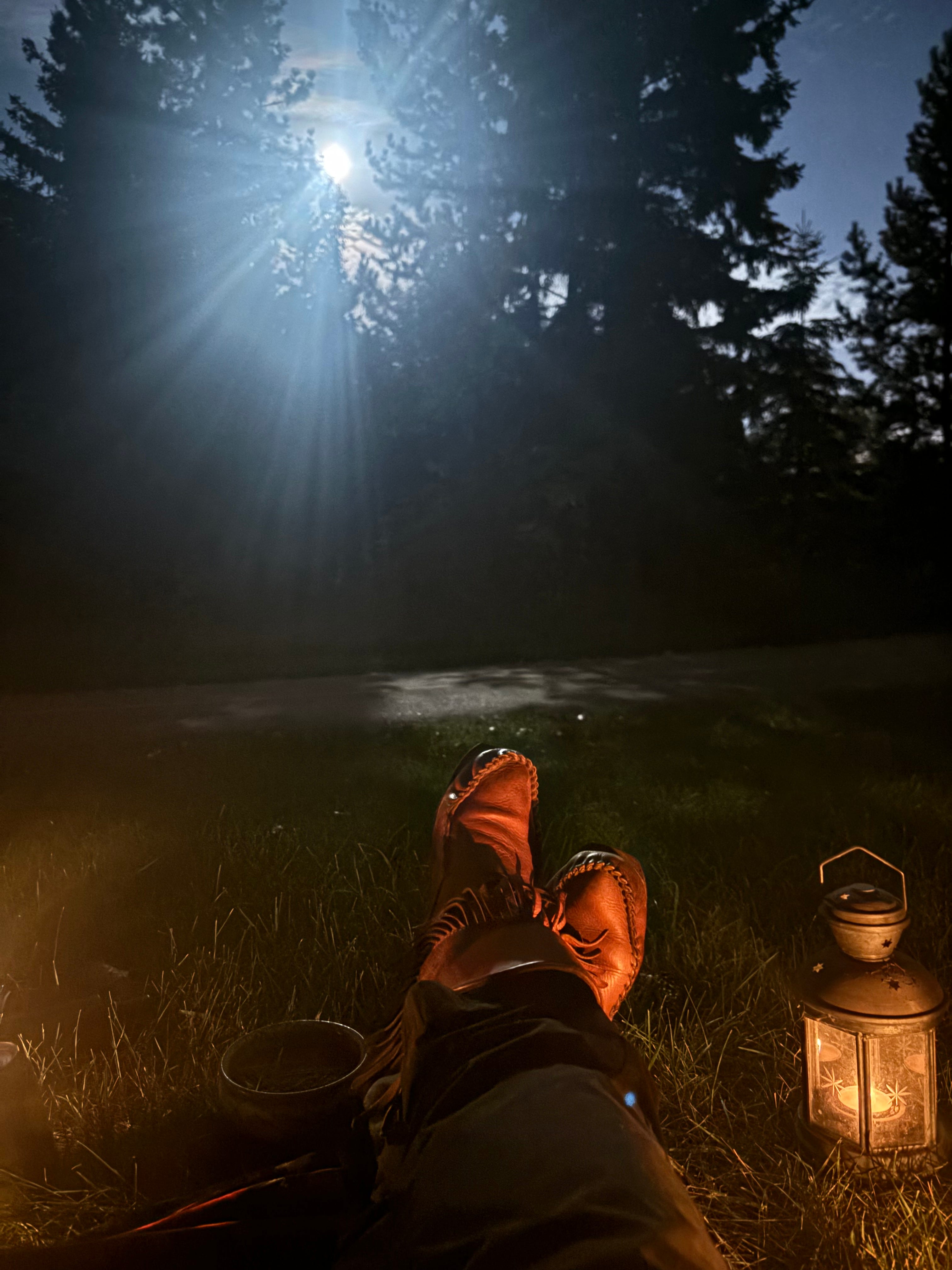
In past attempts I would sign up for a yoga class and that would somehow magically transport me to the precise time and location each week. And *also* fill me with some sort of mystical ability to keep doing the things that got in the way of yoga. (Pints at the pub, anyone?)
Shockingly, to do new things, old things need to be left behind, when we grow as people we outgrow what no longer serves us. Often we have to stop doing things we don’t like so we can become bored, then curious enough to be uncomfortable.
It did not matter how many times I signed up for memberships or 8-week programs I was never going to be magically free every week and present unless I had time set aside.
If I didn’t have time to rest, how was I going to yoga?
When I limited myself to three priorities: Family, Work, Yoga, told everyone about this change, and put the classes and travel time in my calendar in pen, suddenly there were no excuses anymore.
Bottom line: Nothing changes until you make room for change.
5. The things you love love you
So maybe this is just me?, but in the back of my head I was afraid that if I went back to yoga, somehow yoga would judge me. Even more, that since my practice didn’t look like it did when I started twenty years ago, yoga would tell other activities about me, and they’d laugh if I tried them.
Except that’s not what happened. I want to say “Obviously” but that would be a lie, because it wasn’t obvious to me.
Going back took a lot of courage to even admit that I wanted to go back, that I missed it. “If you missed me so much,” I imagine yoga saying, with side-eye over tea, “you would have come back sooner.”
So what did happen? I went to class and held my breath, then stopped holding my breath and eventually felt once again the energy of moving in unison with 20 other people that I had missed.
The only judging that was happening was me judging myself and my dreams and everyone else. No one else in the room knew or cared how long it had been since I had last shown up.
At the end of class, I felt a massive sense of relief. It wasn’t even yoga, it was the freedom of realising I had spent all that time worried about nothing that the stories I had made up in my head.
Bottom line: Revisit old loves and find yourself in the present.
Time passes and some goals need an incubation period
I was a single mum with two kids and to be the kind of mum I wanted to be, other things had to be put on hold. I realise with hindsight, that included building a consistent yoga practice.
Why? The discipline I needed to get myself to yoga would have taken the energy I needed to regulate enough not to yell at my kids. I wanted a yoga practice so I could feel good about myself, and yelling at my kids to achieve that was stupid. I put my focus where it needed to be: my kids.
Learning to regulate my emotions around my kids when they were young helped me face the anxiety that came up when I did finally return to a studio. Healing, growing, happens in small subtle changes that we kind of miss at the time.
For a while, it felt like all I was doing was dreaming because I couldn’t really stick anything. I threw accusations of ‘lazy’ and ‘loser’ at myself until I heard myself, and realised to be the kind of mum I wanted to be, I could no longer speak to myself that way.
I can see now, the dreams were what kept me going through baking endless batches of chocolate chip cookies and not calling my kids fat, like my parents had called me. As I learned to love my kids the way I wanted to be loved, I learned to love myself the way I hadn’t been loved.
Which brings me back to my mat.
It sat in a corner for five years. The first time I unrolled my mat for a class no one asked me where the hell I’d been or rolled their eyes and called me a poser. They just made space for me and my mat held me up.